
Revisiting the 2011 Caste Census Conducted by the UPA Government: Why It Matters Now
Political Tug-of-War Over the 2011 Caste Census and Its Relevance Today Since the Union Cabinet approved the caste census exercise on April 30, political parties have been scrambling to claim credit. The BJP, aiming to counter
Political Tug-of-War Over the 2011 Caste Census and Its Relevance Today
Since the Union Cabinet approved the caste census exercise on April 30, political parties have been scrambling to claim credit. The BJP, aiming to counter opposition attacks, has moved forward with the initiative, while Congress has pushed back, questioning the NDA government about the timeline, budget allocation, and other specifics. On Sunday, the Congress accused Prime Minister Modi of making a “sudden, complete, and desperate U-turn” on the issue.
The Congress has sought to position Rahul Gandhi, a vocal advocate for the caste census, as the driving force behind the government’s decision, while the BJP has targeted the Congress over its failure to release the data collected in the 2011 Socio-Economic and Caste Census (SECC).
The SECC of 2011: What Was It?
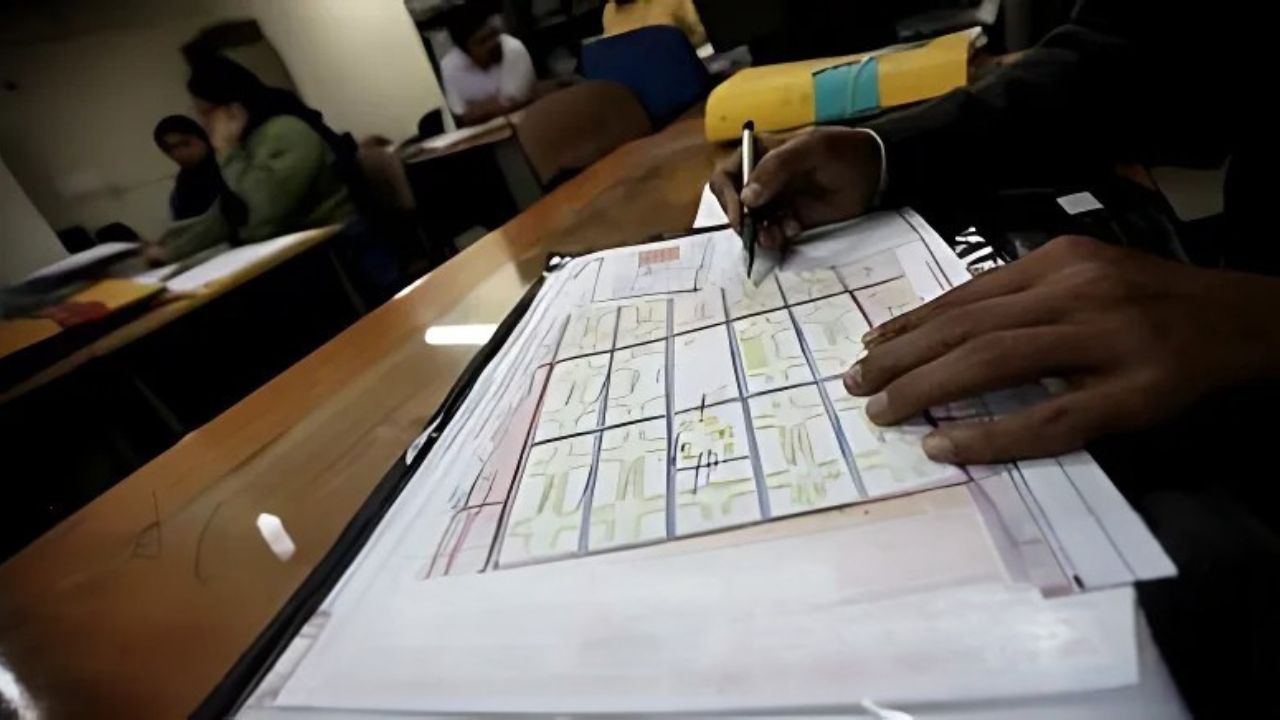
In June 2011, the Union Rural Development Ministry launched the SECC, conducting a nationwide door-to-door enumeration. The objectives were threefold: ranking households based on socio-economic status to identify families below the poverty line, enabling caste-wise enumeration of India’s population, and gathering data on socio-economic conditions and education across various sections of society.
The Politics Behind the SECC
In 2010, the Manmohan Singh-led UPA government faced pressure from its allies — Rashtriya Janata Dal (RJD), Samajwadi Party (SP), and Janata Dal (United) — to conduct a caste census alongside the 2011 Census. Despite support from Congress’ OBC leaders, the Congress and BJP were initially divided on the issue. The Ministry of Home Affairs, led by P Chidambaram, argued that including caste data would be problematic due to logistical issues.
Socialist parties, whose stronghold was among the OBCs, continued to press for the census. This led to a debate in Parliament in May 2010, with the majority of speakers, including BJP leaders, supporting the move. The matter was then referred to a Group of Ministers headed by Finance Minister Pranab Mukherjee, and by September 2010, the decision to conduct the caste census was made.
How the SECC Was Conducted
Despite divisions within Congress, the government decided not to include caste data in the decennial Census of 2011. Instead, the SECC was carried out in June 2011 by the Union Rural Development Ministry, with participation from other ministries and state governments. The enumeration was done in blocks of about 125 households, with enumerators collecting data on occupation, education, disability, religion, SC/ST status, caste/tribe names, and other economic parameters.
What Happened to the SECC Data?
Provisional data for the SECC was ready by late 2013. However, the UPA government chose to leave the data release to the next government due to the looming Lok Sabha elections. After the 2014 elections, the Modi-led NDA government released rural data in 2015 but withheld caste data, citing it had not been finalized. The following year, the government acknowledged errors in the caste data processing, and by 2018, it was revealed that certain design issues had delayed the finalization.
In 2021, the Modi government stated that “technical flaws” had made the caste data unreliable, citing discrepancies such as the listing of 46 lakh different castes.
Congress vs. BJP on the SECC
While the Congress admits some issues in the 2011 SECC, it has criticized the Modi government for not publishing the data by 2014. Congress has accused the NDA of not taking the issue seriously. In contrast, the BJP labels the SECC as a “failed attempt” by Congress and promises that the upcoming caste census will address the flaws of the 2011 exercise.