
The “One Nation, One Election” bill is expected to be introduced during the ongoing Winter Session of Parliament.
The 'One Nation, One Election' Bill, which the Union Cabinet approved, is expected to be introduced in Parliament during the ongoing Winter Session. Following its introduction, the bill will be referred to the Joint Parliamentary
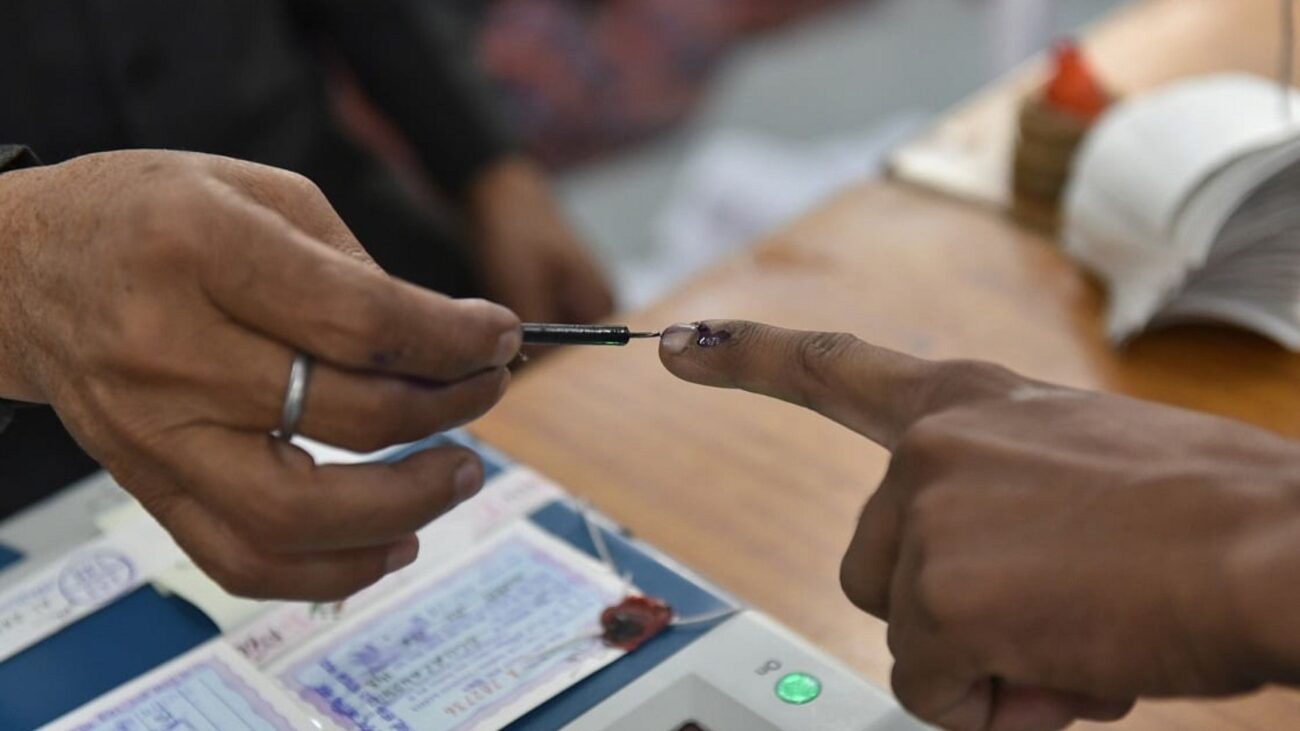
The ‘One Nation, One Election’ Bill, which the Union Cabinet approved, is expected to be introduced in Parliament during the ongoing Winter Session. Following its introduction, the bill will be referred to the Joint Parliamentary Committee (JPC) for further scrutiny and recommendations.
The initiative to synchronize the Lok Sabha and state assembly elections is one of the government’s key legislative goals, aiming to streamline the electoral process and reduce the frequency of elections nationwide. This move has generated significant interest and support from various political and economic figures.
In September, the Union Cabinet formally approved the proposal outlined in a report from the high-level committee, which former President Ram Nath Kovind headed. This proposal recommends conducting simultaneous elections for the Lok Sabha and state assemblies, with a secondary phase involving coordinated local body elections within 100 days.
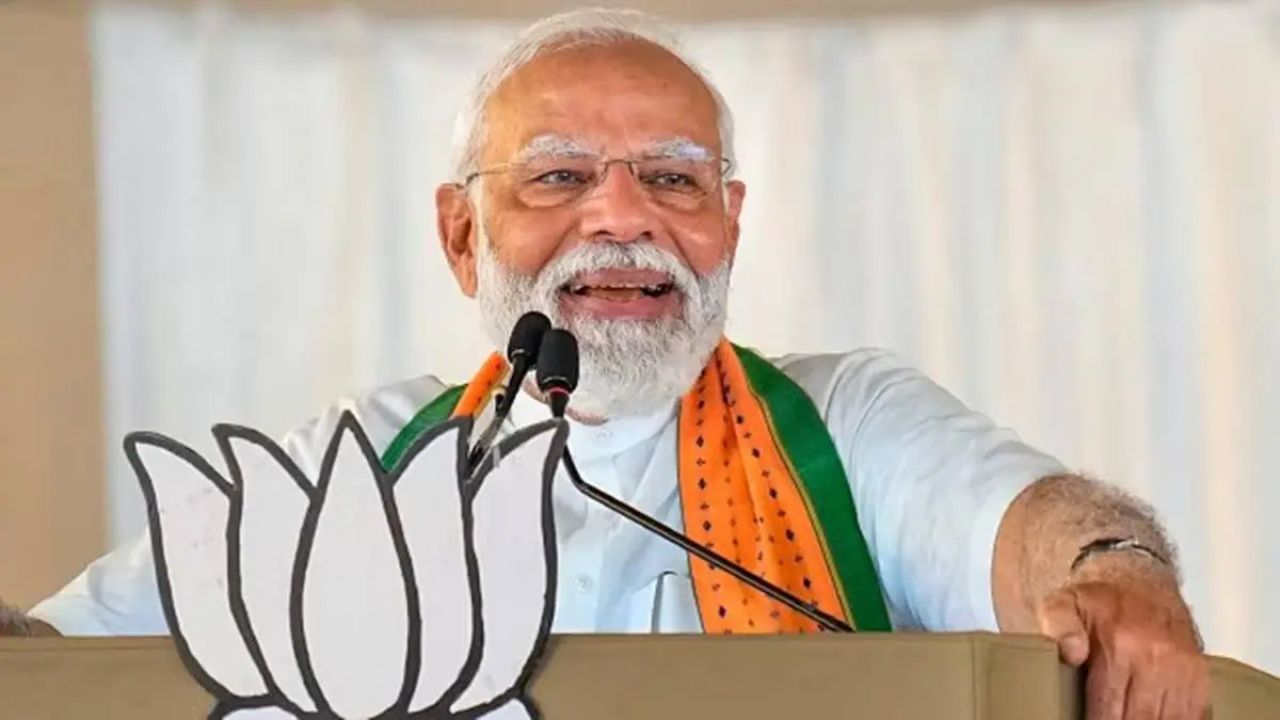
Prime Minister Narendra Modi voiced his approval, expressing appreciation for the committee’s work. He noted, “The Cabinet has accepted the recommendations of the High-Level Committee on Simultaneous Elections.” He congratulated former President Kovind for his leadership of the initiative, saying, “This is a vital step towards enhancing the vibrancy and participatory nature of our democracy.”
Former President Kovind, on Wednesday, emphasized the importance of achieving broad consensus on the initiative. He stated, “The central government must build a consensus. This is not a matter of any political party’s interest; it is about the nation. Economists predict its implementation will lead to a 1-1.5 per cent increase in the country’s GDP.”
Union Agriculture Minister Shivraj Singh Chouhan also supported the proposal, highlighting the inefficiencies caused by frequent elections. He explained, “As an agriculture minister, I spent three months campaigning. This results in the diversion of focus from important developmental work and consumes the time of numerous officials and politicians. When elections are frequent, government announcements are delayed, and public resources are wasted.”