
“How Jammu was secured: For almost a year, the BJP remained focused, maintaining a low profile while actively mobilizing resources and maintaining constant on-the-ground efforts.”
Days after the Supreme Court set September 30, 2024, as the deadline for Assembly elections in Jammu and Kashmir, a steady influx of bhajan mandlis (spiritual groups), motivational speakers, and BJP workers from Uttar Pradesh
Days after the Supreme Court set September 30, 2024, as the deadline for Assembly elections in Jammu and Kashmir, a steady influx of bhajan mandlis (spiritual groups), motivational speakers, and BJP workers from Uttar Pradesh and neighboring Punjab began arriving in Jammu.
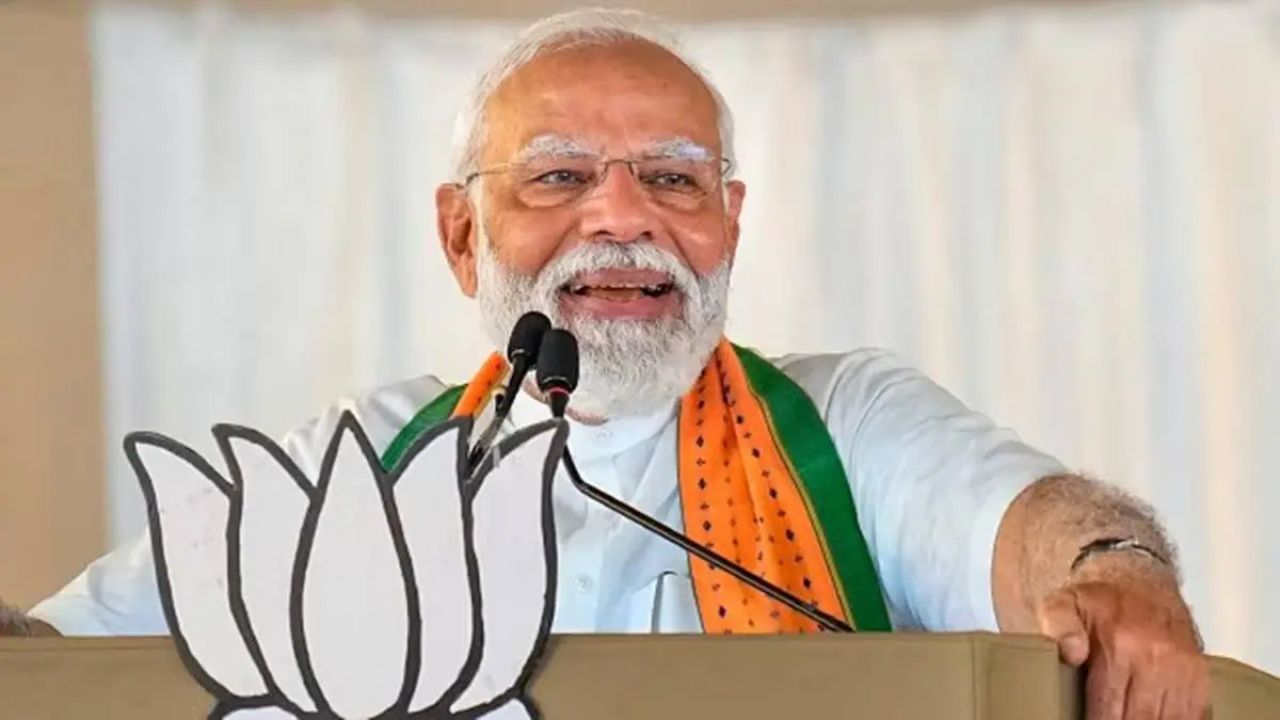
This was part of a multi-faceted strategy employed by the BJP to counter anti-incumbency sentiments. Ultimately, this effort allowed the party to defy expectations and expand its influence in the Jammu region, securing 29 out of 43 seats—an increase of four from the previous Assembly elections in 2014.
“A senior BJP leader, speaking anonymously on Wednesday after the results were announced, noted that while other parties were merely discussing the likelihood of the Assembly polls, these groups were actively working. They conducted religious discourses, held bhajan-kirtans, and engaged with small community gatherings.”
Sources indicated that the efforts were complemented by additional campaigners. One leader explained, “Nukkad natak mandlis (street play groups) from other states followed the spiritual groups and spread out into rural areas to educate locals about the heroic history of the Dogras, emphasizing the need for unity in the face of perceived threats from ‘others.’”
The BJP’s campaign in charge and sitting Jammu MP, Jugal Kishore Sharma, mentioned that over two dozen district-level committees were established to ensure effective coordination on the ground.
He attributed the BJP’s remarkable performance to the “collective hard work” of everyone, from grassroots workers to the Prime Minister, stating, “We are a party always prepared for elections, with leaders and workers maintaining connections with the community even when elections are not imminent.”
A BJP leader highlighted that there was a dedicated outreach effort aimed at women, with street plays encouraging their support for PM Narendra Modi in his mission to “counter the Congress and others with a pro-Pakistan agenda.” “These groups stayed for weeks, gradually convincing people to support the BJP, only departing once their task was accomplished,” the leader said.
Party leaders and workers from various states also traversed the length and breadth of the Union Territory (UT) to assist with political activities. They organized regular corner meetings and visited voters’ homes to promote the need for unity against “pro-Pakistan forces.”
In contrast to the BJP’s organized campaign, the Congress party, which appeared to have a genuine opportunity to regain ground in Jammu, ended up winning only one seat in the province—its worst performance to date. The Congress campaign was plagued by infighting, lobbying issues, delays in candidate announcements, and poor choices in several constituencies.
Sources also pointed out that the fate of Congress working president Raman Bhalla remained uncertain, as he filed his nomination for R S Pura-Jammu South on the last possible day. By that time, his BJP opponent, Narinder Singh, had already been campaigning for 15 days, ultimately winning by a narrow margin of just over 1,600 votes.