

How Sunscreens Affect the Marine Environment and How to Choose One That’s Safe for You and the Sea
Selecting the right sunscreen can be confusing. Should you opt for one with the highest SPF or a product labeled “reef-safe” or “coral-friendly”? Is it better to choose a spray or a lotion? What’s the
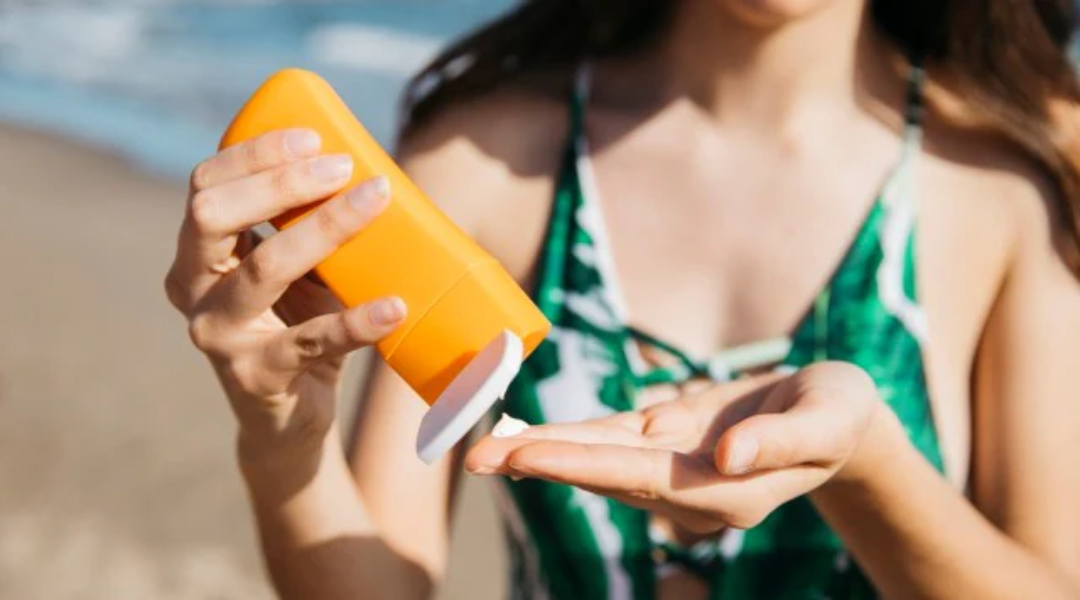
Selecting the right sunscreen can be confusing. Should you opt for one with the highest SPF or a product labeled “reef-safe” or “coral-friendly”? Is it better to choose a spray or a lotion? What’s the difference between mineral and chemical-based formulas?
During my beach outings for snorkeling and surfing, I’ve often noticed a greasy slick on the water’s surface, especially on busy summer days. This made me wonder whether the sunscreen I use washes off into the sea and harms the marine environment. After three years of research, I found that sunscreens can indeed negatively impact marine ecosystems. Studies show that sunscreens can cause coral bleaching, damage marine life, and affect water quality even at low concentrations.
Initially, I was overwhelmed by the challenge of finding a sunscreen that offered effective UV protection while being environmentally friendly. Sunscreens contain a range of ingredients, including UV filters that either block or absorb UV rays, along with fragrances, stabilizers, parabens (such as methylparaben or E128), and often per-and polyfluoroalkyl substances (PFAS), which are used for waterproofing.
UV filters can be chemical or mineral-based. Chemical UV filters include synthetic compounds like oxybenzone and octocrylene that absorb UV rays, and are commonly found in mainstream sunscreens. Mineral UV filters, such as zinc oxide and titanium dioxide, reflect and scatter UV rays and are often used as nanoparticles to create a thinner layer on the skin. Both types of UV filters can harm the marine environment. Research has mostly focused on nano versus non-nano particles for mineral sunscreens, and oxybenzone for chemical sunscreens.
Approximately 10 million tonnes of UV filters are produced annually, with an estimated 6,000-14,000 tonnes released into coral reef zones from swimmers. About 25% of the sunscreen applied to the skin washes off within 20 minutes of immersion. Additionally, chemical UV filters can enter the marine environment through insufficient wastewater treatment.
Traditional wastewater treatment processes often fail to remove most chemical UV filters, which then end up in rivers or seas with treated effluent. Thus, sunscreen ingredients from products used outside of the beach, such as in the garden, can also reach marine environments after being washed off.
Research has mostly focused on tropical climates, revealing that chemical UV filters like oxybenzone can cause rapid and severe coral bleaching both in laboratories and natural oceans. These filters have been shown to affect dolphins, sea turtles, marine mammals, and fish, causing various health issues and even mortality in marine organisms. Inorganic UV filters are also linked to marine toxicity.
In Hawaii and Palau, some chemical UV filters like oxybenzone and octinoxate have been banned due to their impact on coral reefs, though these compounds are still widely used globally.
Many brands now offer sunscreens labeled as “reef-safe” or “coral-friendly,” suggesting they are environmentally friendly. However, these labels are not regulated, and even products without oxybenzone or octinoxate may contain other harmful chemicals like octocrylene, which degrades into oxybenzone.
To choose the best sunscreen, examine the ingredients carefully. Look for chemical or mineral UV filters and be aware that some chemical names can be confusing (e.g., avobenzone is also known as butyl methoxydibenzoylmethane). Current research indicates that mineral UV filters generally have less adverse effect on marine environments compared to chemical filters, with titanium dioxide being considered less toxic than zinc oxide.
Avoid products that use “reef-safe” as a marketing term without scientific backing. Check for potential PFAS ingredients in water-resistant products. When choosing between a spray or a lotion, remember that spray applications often disperse particles onto sand and water, contributing to marine pollution.
As awareness grows about the impact of sunscreens on the environment, it is crucial for brands to be transparent about their eco-friendly claims and invest in developing greener alternatives. Stronger regulations could help ensure that sunscreens protect both skin and the marine environment.