
Shehbaz Sharif Reveals How BrahMos Missile Thwarted Pakistan’s Planned Offensive
Shehbaz Sharif Admits BrahMos Strikes Thwarted Pakistan’s Planned Offensive Pakistan Prime Minister Shehbaz Sharif has publicly acknowledged that India’s BrahMos missile strikes derailed a planned Pakistani military offensive on the night of May 9-10. Speaking at a
Shehbaz Sharif Admits BrahMos Strikes Thwarted Pakistan’s Planned Offensive
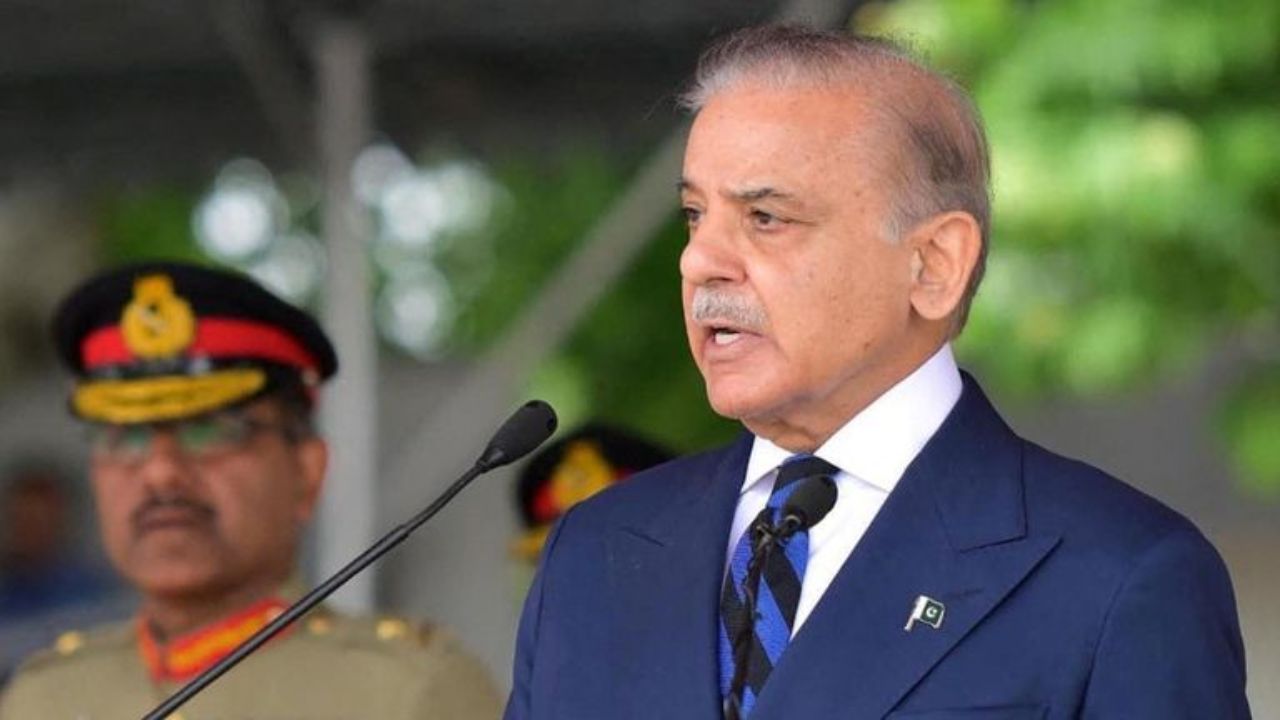
Pakistan Prime Minister Shehbaz Sharif has publicly acknowledged that India’s BrahMos missile strikes derailed a planned Pakistani military offensive on the night of May 9-10.
Speaking at a summit in Lachin, Azerbaijan, Sharif revealed that the Pakistani armed forces were preparing to launch a major attack on India early on May 10. However, Indian missile strikes preempted the operation, targeting key locations across Pakistan before it could begin.
“On the night of May 9-10, we decided to respond in a measured fashion to Indian aggression,” Sharif said. “At 4:30 am, after Fajr prayers, our armed forces, ably led by Field Marshal and Army Chief Syed Asim Munir, were set to teach a lesson to the enemy. But before that hour arrived, India launched another wave of missile attacks, with BrahMos missiles striking various provinces, including Rawalpindi airport and other strategic locations.”
Not the First Admission
This is not the first time Sharif has acknowledged the damage inflicted during India’s Operation Sindoor. At a previous event at the Pakistan Monument in Islamabad, he admitted that Indian missiles struck Nur Khan Airbase in Rawalpindi and other key military sites.
“On the intervening night of May 9-10, around 2:30 am, Army Chief Asim Munir called me over a secure line, informing me that Indian ballistic missiles had hit Nur Khan Airbase and other areas,” Sharif recounted.
Despite multiple setbacks, the Pakistani government promoted Asim Munir to the rank of Field Marshal earlier this month for his leadership during Pakistan’s military response, codenamed Operation Bunyan-um-Marsoos. Sharif praised the operation, describing it as a firm reply to India’s Operation Sindoor.
Calls for Dialogue Amid Tensions
In recent addresses, Sharif has renewed calls for dialogue with India. During a visit to Tehran, he reiterated Pakistan’s interest in resolving disputes, including Kashmir and water-sharing issues, through negotiations.
“We want to resolve all disputes through talks,” Sharif said. “But if they choose to remain aggressors, we will defend our territory — as we did a few days ago.”
India, however, has remained resolute in its policy. New Delhi has repeatedly maintained that “talks and terrorism cannot go together, trade and terrorism cannot go together, and water and blood cannot flow together.”
Operation Sindoor: A Retaliatory Strike
India launched Operation Sindoor on May 7 in retaliation for a terror attack in Pahalgam on April 22, which left 26 dead. The operation targeted and destroyed nine terrorist camps across Pakistan and Pakistan-occupied Kashmir, reportedly killing over 100 militants.
The strikes triggered four days of intense hostilities between the nuclear-armed neighbours, involving drones, long-range artillery, and missile attacks.
On May 10, India reportedly targeted eight Pakistani airbases — including Murid and Nur Khan — hitting runways, hangars, radar installations, and ammunition depots.
The escalation ended with a ceasefire agreement on May 10, concluding one of the most tense military stand-offs between India and Pakistan in recent years.