
Monsoon 2024: Essential Foods to Wash Thoroughly to Prevent Foodborne Illnesses
The monsoon season offers relief from the heat but also brings a heightened risk of foodborne illnesses. The combination of high humidity and fluctuating temperatures creates an ideal environment for bacteria and fungi to thrive,
The monsoon season offers relief from the heat but also brings a heightened risk of foodborne illnesses. The combination of high humidity and fluctuating temperatures creates an ideal environment for bacteria and fungi to thrive, making food safety a top priority.
One of the simplest yet most effective ways to protect yourself during this season is to thoroughly wash certain foods before consuming them. Dietician Anushree Sharma explains to indianexpress.com, “Humidity speeds up the spoilage of foods, particularly those with high water content, as they provide the perfect conditions for microbial growth. These microbes not only compromise the food’s structure but can also make it unsafe to eat, potentially causing infections and other health issues.”
Kanikka Malhotra, a consultant dietician and certified diabetes educator, also highlights the risks associated with processed foods. “Even canned foods can become hazardous if the can is damaged or the seal is compromised, allowing moisture to enter and cause spoilage. Always check for signs of damage before purchasing,” she advises.
Foods to Wash Thoroughly During Monsoon
According to Malhotra and Sharma, here are the foods that should be washed thoroughly to avoid foodborne illnesses:
- Fruits and Vegetables: Wash produce with edible skins like apples, berries, and leafy greens. This also applies to fruits like melons and oranges, which are eaten after peeling.
- Eggs: Wash eggs to remove dirt or bacteria from the shell.
- Meat and Poultry: Rinse under cold water to eliminate any debris, but always ensure to cook them to the recommended internal temperature to kill harmful bacteria.
- Seafood: Wash fish, shellfish, and squid to remove any dirt or sand.
- Nuts and Seeds: Rinse to remove impurities or pesticide residues.
- Dried Fruits: Wash to remove dust or chemicals and prevent microorganism growth.
- Herbs: Rinse herbs like coriander, mint, and basil to remove dirt and pesticides.
Effective Ways to Remove Bacteria and Pesticides
Malhotra suggests these steps for effective cleaning:
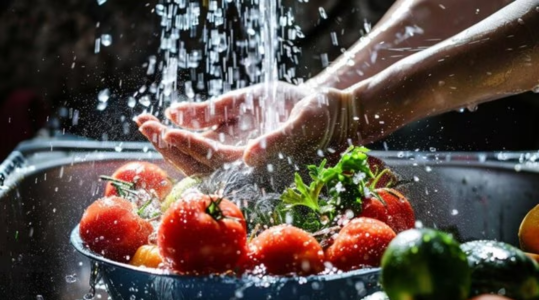
- Rinse food under cold running water.
- For fruits and vegetables with tough skins, use a vegetable brush to remove dirt and pesticides.
- Soak some vegetables in a vinegar or baking soda solution to eliminate pesticides.
- If possible, peel fruits and vegetables to remove the outer layer, which may contain more pesticides.
By taking these precautions, you can reduce the risk of foodborne illnesses during the monsoon season and enjoy your meals safely.